
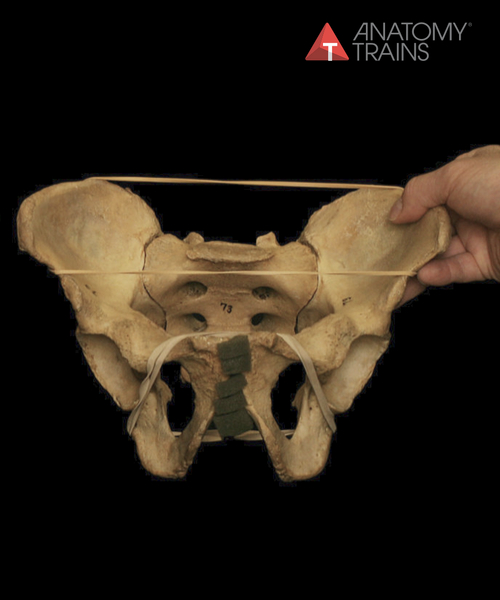
Take a deep dive into the anatomy and function of the male pelvis with ATSI Senior Teacher Michael Watson.
Part 1:
The topics covered are:
- Overview of the male pelvis in terms of form and function
- Sexual dimorphism of the human pelvis – variations in developmental stages between men and women and their significance in terms of gut health, prostate health and erectile dysfunction, pelvic floor health
- Pelvic shape overview – bony landmarks, angles of joint surfaces and variations in size and shape in men
- Common pelvic patterns – BodyReading postural assessment of major features
- Soft tissue contributions to patterns in terms of the Anatomy Trains lines and discussion of strategy for resolving patterns
- Adductors vs. abductors
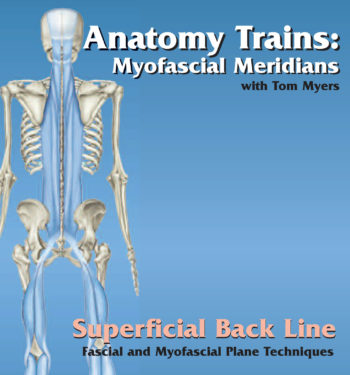
- Superficial Front Line vs Superficial Back Line
- Spiral Line
- Deep Front Line
- Movement and manual strategies for balance and adaptability
Part 2:
The topics covered are:
- Review of the male pelvis in terms of form and function from the pelvis down to the feet
- BodyReading the pelvis in terms of shift and tilts in terms of pelvic torsion
- Working with patterns in the pelvis, legs and feet
- Soft tissue contributions to patterns in terms of the Anatomy Trains lines and discussion of strategy for resolving patterns
- Adductors vs. abductors
- Superficial Front Line vs Superficial Back Line
- Spiral Line
- Deep Front Line
- Movement and manual strategies for balance and adaptabilty
Part 3:
The topics we covered are:
- Pelvis and Spine relationships – bony landmarks, angles of joint surfaces and variations in size and shape in men
- Common pelvic patterns – BodyReading postural and movement assessments in terms of tilts and shifts
- Common spinal patterns – BodyReading postural and movement assessments in terms of bends, tilts, shifts, and rotations
- Soft tissue contributions to patterns in terms of the Anatomy Trains lines and discussion of strategy for resolving patterns
- Deep Lateral Rotators
- Spiral Line
- Deep Front Line
- Movement and manual strategies for balance and adaptability
Note: This course is designed for educational purposes only. Pilates and yoga instructors and fitness trainers are not legally licensed to perform some of the techniques presented. However, by gaining a deeper understanding of the conditions, anatomy, and therapy approaches discussed, movement practitioners will be better equipped to support their clients within the legal scope of their massage practice.

Reviews
There are no reviews yet.